

Eyebrow
AT&T SASESM solutions
Image
Image Tablet
Image Mobile
Heading

Maximize performance and protection

Description
Empower your teams with tightly integrated network security for a remote-anywhere world.
CTA
Contact us

How SASE helps businesses

Secure Access Service Edge (SASE) unites fast, reliable connectivity and advanced cybersecurity for your business in a single cloud-based solution.


Image
Image - Tablet
Image - Mobile
Heading

High performance and reliability

Description
Helps protect your network against malicious traffic for top-tier performance, uptime, and efficacy—leveraging redundancy and cloud services for resilient operations.
Image
Image - Tablet
Image - Mobile
Heading

Zero trust access

Description
Helps ensure that only the right team members have access to the right apps, no matter where they access the network.
Image
Image - Tablet
Image - Mobile
Heading

Threat prevention

Description
Helps protect your business from malicious sites, malware, and phishing before these threats can infiltrate the network.

Benefits of AT&T SASE

Managed by AT&T security experts

Lessen the burden on internal IT and security teams with help from AT&T to design, deploy, monitor, and optimize your SASE environment.

Consistent protection across organizations

Help secure access to applications and data across branch offices, remote users, devices, and cloud environments with policy-driven protection.

Simplified networking and security operations

Reduce complexity and streamline day-to-day operations with networking and cloud-delivered security together in a managed service.

Flexible and scalable architecture

Support evolving business needs with a modular SASE approach that can adapt as users, locations, applications, and security requirements change.
Eyebrow
Image
Heading

AT&T Managed SASE with Cisco

Description

AT&T Managed SASE with Cisco combines networking and security in one fully managed platform with:

  • SD-WAN for intelligent traffic optimization
  • Single pane visibility from edge to cloud
  • Unified network management
  • Advanced security with AI-powered controls

Eyebrow
Image
Heading

AT&T Managed SASE with Palo Alto Networks

Description

AT&T Managed SASE with Palo Alto Networks provides AI-driven security and networking in one fully managed service with:

  • AI-powered threat prevention for real-time enforcement
  • Zero Trust, identity-based access controls
  • Autonomous SD-WAN with ML-driven optimization
  • AI Access Security with data loss prevention for generative AI use

Talk to an AT&T Business sales expert

Call an expert now

Get more information about our business solutions.

Sales experts are available Monday – Friday, 7 a.m. – 7 p.m. CT.

Call 855.560.1206

Schedule a call

Fill out the form to request more information and we will contact you directly.

Contact us

Awards and recognition

We’ve got the industry talking
2025 SASE Product of the Year
Learn more

2025 Cybersecurity, SASE winner

Learn more

2025 Communications Solutions Product of the Year award

Learn more

2024 SASE Service Provider of the Year: Global, North America

Learn more

2024 Managed SD-WAN Services, Company Leader
Read the report

Contact us

Eyebrow
Image
Heading

Find the best security solution for your business

Description
Learn the differences between Secure Access Service Edge (SASE), Security Service Edge (SSE), Software-Defined Wide Access Network (SD-WAN), and Zero Trust Network Access (ZTNA) and how to determine which is right for you.
CTA
Learn more

AT&T SD-WAN

Learn more

Compute as service icon

AT&T Managed Services

Learn more

Eyebrow
AT&T cybersecurity services
Image
Image Tablet
Image Mobile
Heading

Proactive protection. Seamless integration.
Description
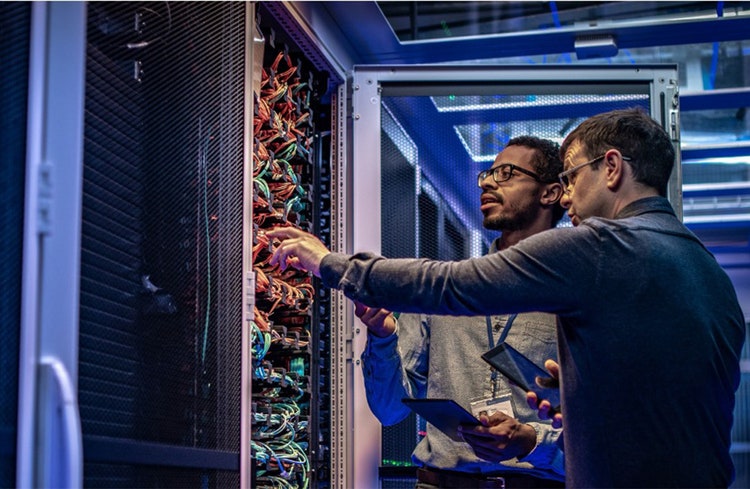
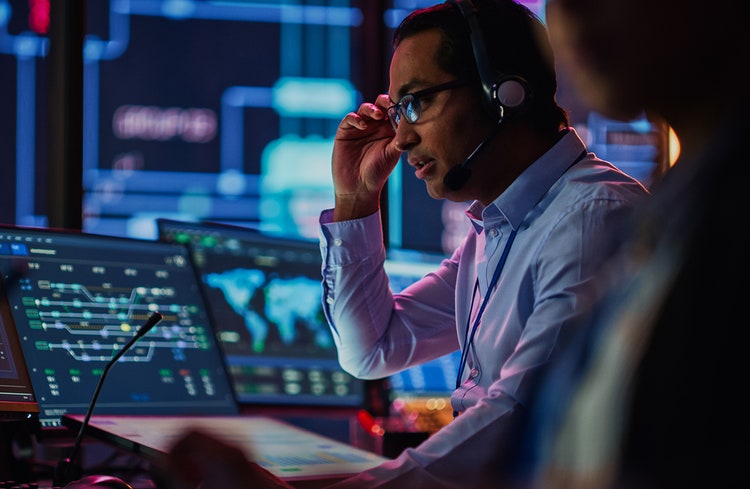
Protect operations with carrier-grade network intelligence to improve visibility, reduce risk, and help maintain performance.
CTA
Learn more
Eyebrow
AT&T cybersecurity perspectives
Image
Heading

Transport-layer defense secures what SASE can’t

Description
SASE depends on the carrier's view of malicious infrastructure rather than producing it, and can't reach private paths that bypass it entirely. Transport-layer defense fills that gap.
CTA
Read the PDF
title
Frequently asked questions
What is SASE in cybersecurity?
SASE (Secure Access Service Edge) is a cloud-delivered architecture that unifies networking and cybersecurity into a single service. It combines SD-WAN with Zero Trust Network Access, Secure Web Gateway, CASB, and Firewall as a Service (FWaaS). SASE replaces disconnected point solutions with one framework for connecting and protecting users, apps, and data from anywhere.
What is managed SASE?
Managed SASE (Secure Access Service Edge) is a service model where a provider designs, deploys, monitors, and operates a SASE architecture on behalf of an organization. It combines networking and cloud-delivered security into a single managed solution, reducing the need for customers to integrate and manage multiple tools themselves.
SASE vs VPN: Is SASE better than VPN?
SASE is generally a stronger fit than traditional virtual private network (VPN) for distributed, cloud-first organizations. VPN extends network-level access through a single tunnel, granting broad access once a user connects. SASE instead enforces identity-based Zero Trust Network Access. This means verifying every user and device at the point of access, improving both security and performance for hybrid work.
What are the core SASE components?

A complete SASE framework combines two building blocks: Software Defined Wide Area Network (SD-WAN) for intelligent traffic routing, and Secure Service Edge (SSE) for cloud-delivered security. Within SSE, the core components are:

  • Zero Trust Network Access (ZTNA): Identity-based access to applications
  • Secure Web Gateway (SWG): Protection for web traffic
  • Cloud Access Security Broker (CASB): Visibility and control over SaaS use
  • Firewall as a Service (FWaaS): Network-level threat protection
What is an example of SASE?
An example of SASE is an organization using SD-WAN to optimize traffic while applying cloud-based security controls, such as secure web access and zero trust application access, to users and locations through a unified architecture.
SASE vs SD-WAN: Does SASE replace SD-WAN?
No. SD-WAN is a foundational component of SASE, not a separate or competing technology. SD-WAN handles intelligent traffic routing and network performance, while SASE adds a full security layer, Secure Service Edge, on top of it. Organizations already running SD-WAN extend it with converged security rather than replacing it.
SASE vs firewall: What is the difference between a firewall and SASE?
A traditional firewall protects a single location or device by filtering traffic at one point in the network. SASE delivers firewall capabilities as one component (Firewall as a Service) within a larger architecture that also includes Zero Trust access control, secure web filtering, and cloud application security. This is enforced consistently across every user and location.
What makes AT&T Managed SASE different?
AT&T Managed SASE is built on a managed service model, with access to top-tier security providers like Cisco. We help you design, deploy, and optimize your SASE architecture, backed by our global network and security expertise.
Does AT&T SASE work for small- or mid-sized businesses?
Yes. AT&T Managed SASE is modular and scalable with solutions designed for growing businesses, remote workforces, and multi-location teams. You can start small and expand as your needs evolve.
Can I integrate SASE with my existing security tools?
In many cases, yes. AT&T Managed SASE is designed to work alongside or gradually replace legacy tools like VPNs, firewalls, and security appliances helping you streamline operations.
What’s included in a SASE solution from AT&T?
Depending on your configuration, AT&T SASE includes SD-WAN, ZTNA, DNS filtering, SWG, CASB, firewall-as-a-service (FWaaS), and centralized visibility. Optional add-ons like AT&T Dynamic Defense® for real-time threat blocking are also available.
What is SASE architecture?
SASE architecture combines two layers into a single, cloud-delivered framework: SD-WAN, which handles traffic routing and performance optimization, and Secure Service Edge (SSE), which delivers the security functions, including ZTNA, SWG, CASB, and Firewall as a Service. Rather than routing traffic through a physical data center or single firewall, SASE enforces security policy at the cloud edge, closer to where users and applications connect.
How to implement SASE?
Organizations generally implement SASE one of two ways: DIY SASE, which means assembling and integrating components from multiple vendors in-house, or Managed SASE, where a provider like AT&T Business designs, deploys, and operates the full architecture end to end. Vendor sprawl and integration complexity are among the most common SASE implementation challenges, which is why most organizations without deep in-house expertise choose the managed path.
Where is SASE technology most effectively used​?
SASE delivers the most value for organizations with distributed operations, including multiple branch locations, hybrid or remote workforces, and heavy reliance on cloud and SaaS applications. It's especially effective where traditional perimeter-based security and VPNs struggle to keep up, such as multi-cloud environments or an aging network and security stack that's become too complex to maintain.
SASE vs SSE: What’s the difference for secure remote access?
SSE (Secure Service Edge) is the security half of SASE, including ZTNA, SWG, CASB, and Firewall as a Service, but not networking. SASE combines SSE with SD-WAN, adding the networking layer. Organizations with modern SD-WAN already in place but inconsistent security often start with SSE; those needing both unified together choose full SASE.