
Highlights
Gunshot detection system gets better connectivity and a global reach

Challenges
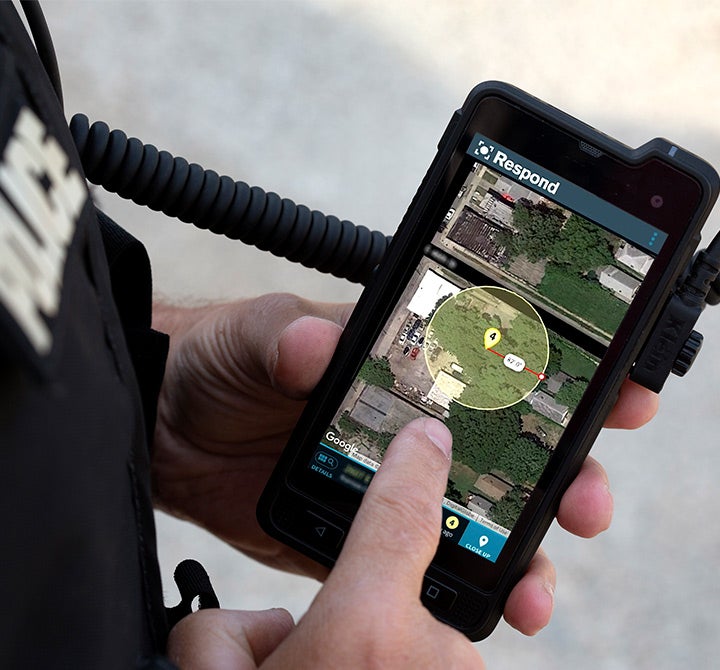
About 109 people die every day from a firearm-related injury. Unfortunately, most gunfire incidents are never reported to police. ShotSpotter was founded to fill this data gap, but it needed better connectivity to power its gunshot detection sensors.

Results
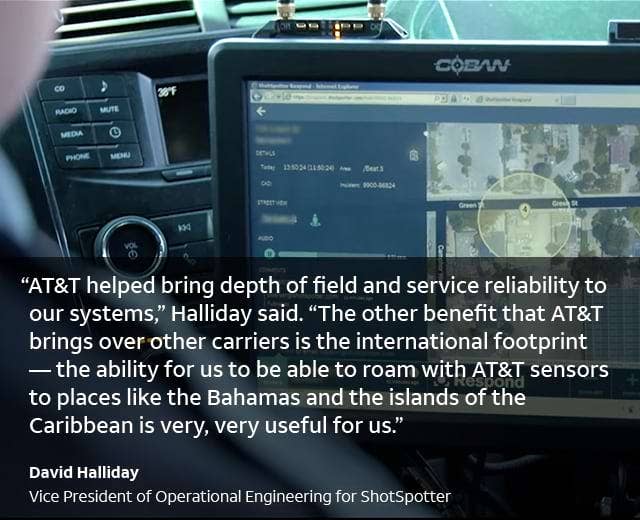
ShotSpotter’s gunshot detection system works better to alert police to gun violence now that it uses more reliable and redundant connectivity with higher bandwidth. Global reach powered by Global SIMs means safer communities around the world.

Solution
ShotSpotter upgraded its gunshot detection and location sensors with AT&T Global SIMs and AT&T Control Center. Together, the solutions enabled ShotSpotter to streamline the deployment and management of its gunshot detection solution.
AT&T Solutions
Discover a solution designed to fit your business needs

AT&T Global SIM
Connect your Internet of Things (IoT) assets around the globe with one SIM.

AT&T Control Center
Deploy, manage, and monetize your connected IoT devices in near real time.

AT&T Business Fiber
Get the right connectivity and speed that can scale to support growing amounts of data traffic as your business grows.
About
Making global communities safer through precision policing technology
About ShotSpotter
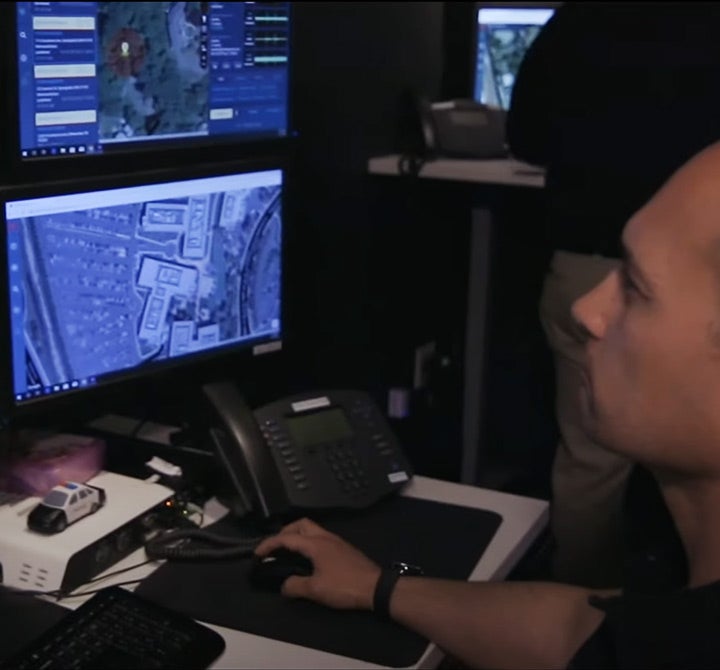
ShotSpotter is a leader in precision policing technology solutions that enable law enforcement to respond to, investigate, and deter crime more effectively. The company’s products are trusted by more than 120 cities to help make communities safer.