Highlights
Streamlining business processes and establishing highly reliable communications

Challenges
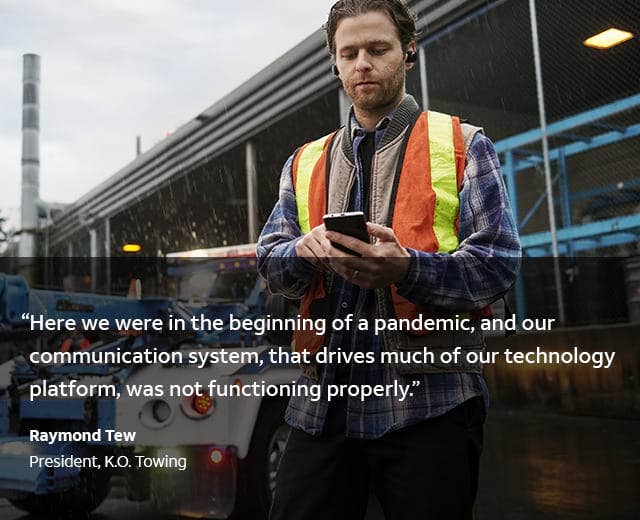
K.O. Towing’s new owners were ready to update business processes. Many of them were paper based. In addition, they wanted to standardize the company’s communication systems, simplify billing, and better manage company assets.

Results
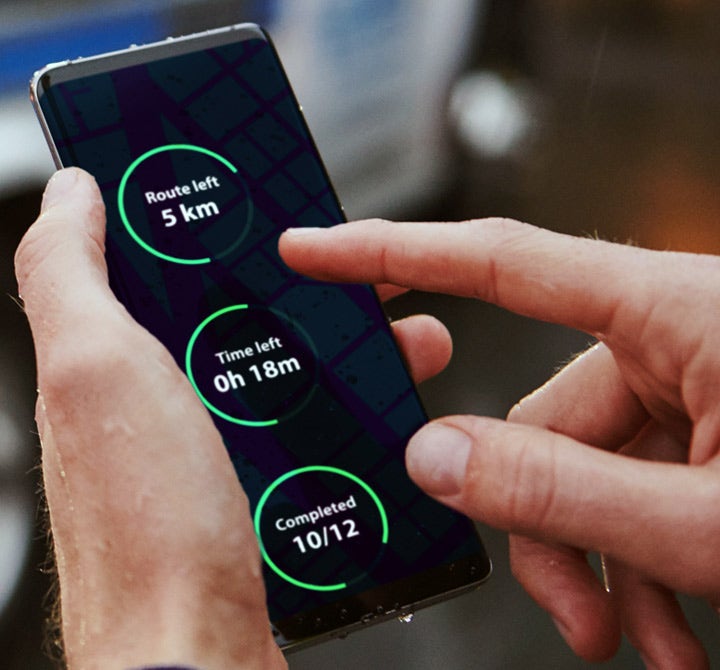
AT&T helped K.O. Towing streamline its communication and billing processes. Drivers now have a faster, highly reliable connection to dispatchers. Connected tablet computers allowed their employees to easily record and bill transactions.

Solution
Business cell phones, tablet computers, and Wi-Fi® hot spots from AT&T Business. AT&T also supplied Cradlepoint routers to support new camera feeds from company vehicles to headquarters.
AT&T Solutions
Learn more about our products with AT&T Business

AT&T Business Wi-Fi
Attract new customers with AT&T Business Wi-Fi, a cloud-managed Wi-Fi solution available in 60 countries.

Mobility rate plans
Find the right plan, whether it’s one of our feature-rich unlimited mobile plans or a data-only option. AT&T may temporarily slow data speeds if the network is busy.
Network professional services
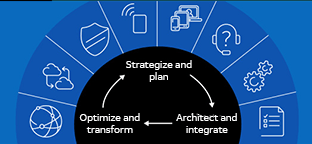
Our professional services help you plan, transform, and optimize your network.
About
An essential business keeps moving—and gets more agile—during the pandemic

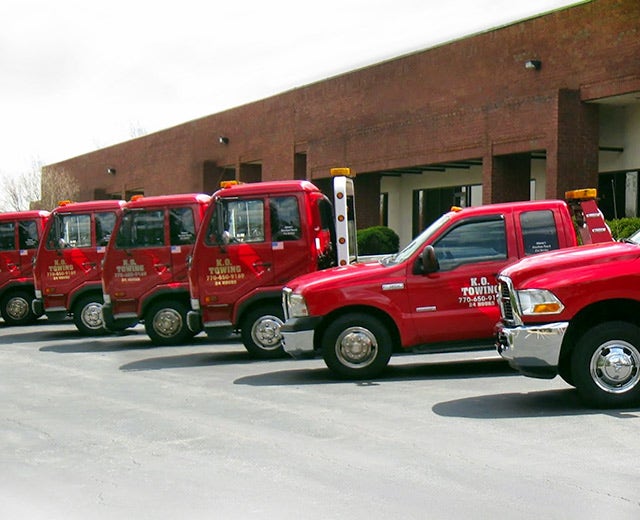
About K.O. Towing
K.O. Towing provides towing, private property impound services, and roadside assistance throughout Metro Atlanta. Their modern fleet of flatbed, wheel-lift tow trucks and wreckers allows it to provide fast response times.